The gap between a hospital existing and care reaching you
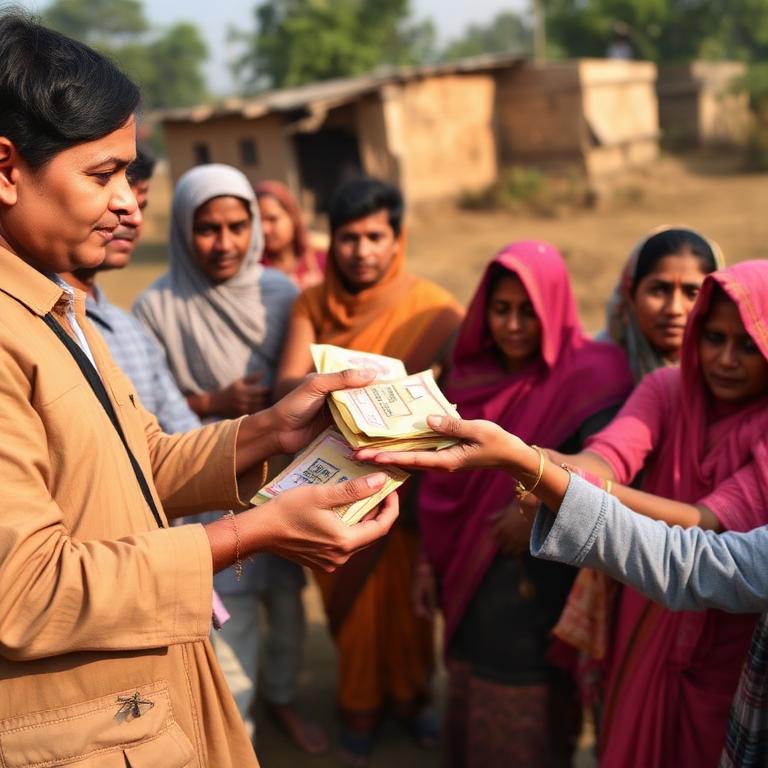
India's public health system is far more capable than its reputation suggests, but access is uneven in ways that statistics hide. A daily-wage worker who feels unwell must weigh a clinic visit against a lost day's earnings. A woman with anaemia has usually been told she is simply weak. A man with early diabetes has no symptoms and therefore no reason to travel. By the time these conditions announce themselves, treatment is longer, costlier and less effective.
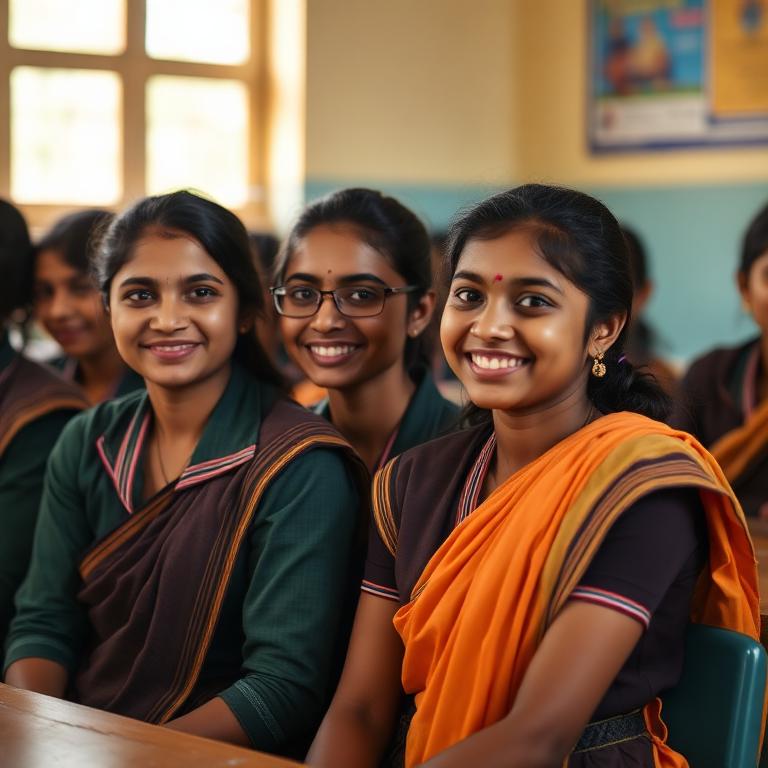
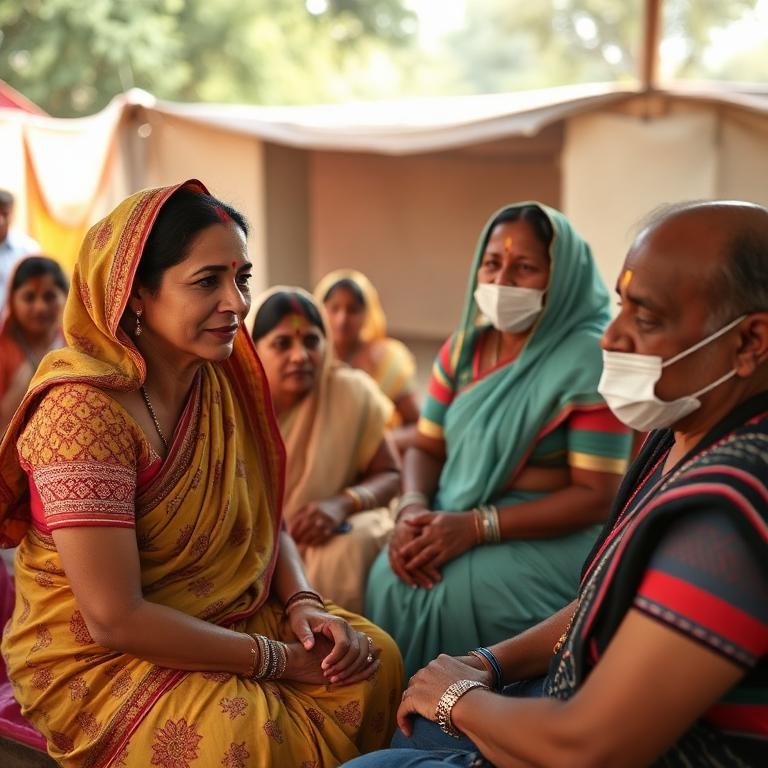
Our response is to move screening to where people already are — a school compound, an anganwadi, a temple hall, a factory shed — and to make attending cost nothing but an hour. Camps are scheduled around local work patterns, publicised through ASHA workers and community volunteers, and staffed by doctors who have agreed in advance to see everyone who registers rather than a fixed quota.
A camp on its own, however, is only a photograph. What determines whether it changes health outcomes is what happens in the six weeks afterwards, and that is where we concentrate our effort and our budget.