The problem we set out to solve
A differently-abled woman in India faces two exclusions stacked on top of each other. Disability keeps her out of most workplaces; gender keeps her out of most disability employment schemes, which tend to reach men first. The result is a group of women who are highly capable, often educated up to class ten or twelve, and almost entirely dependent on family for money. Many have never held cash they earned themselves.
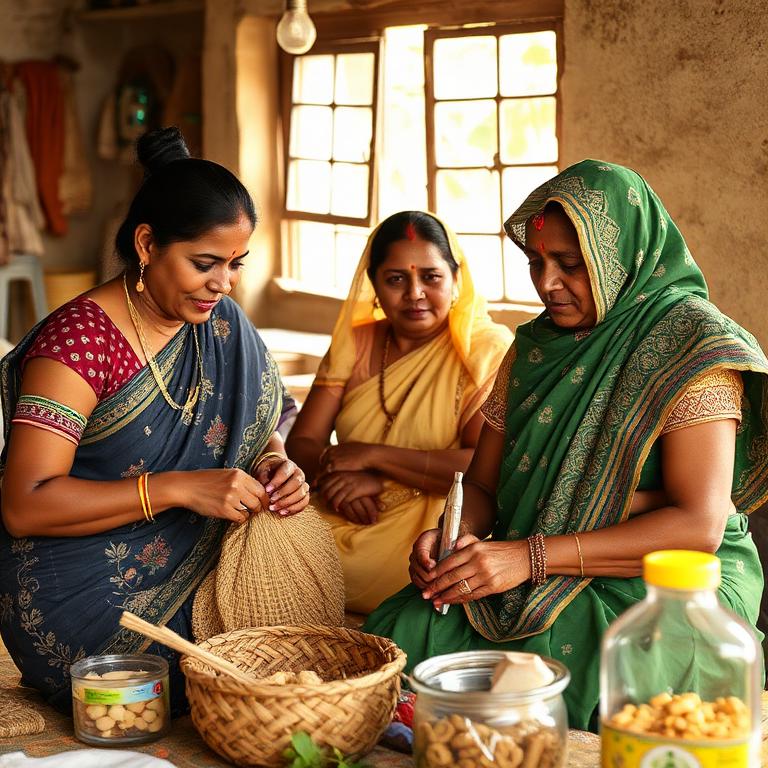
Charity does not fix this. A monthly handout maintains a person; it does not change how she is seen at home or in her neighbourhood. What changes that is income — visible, repeatable, earned income that makes her a contributor rather than a dependent. Wings of Desire is built entirely around producing that, which is why we measure our success in rupees earned by the women rather than in training certificates issued.
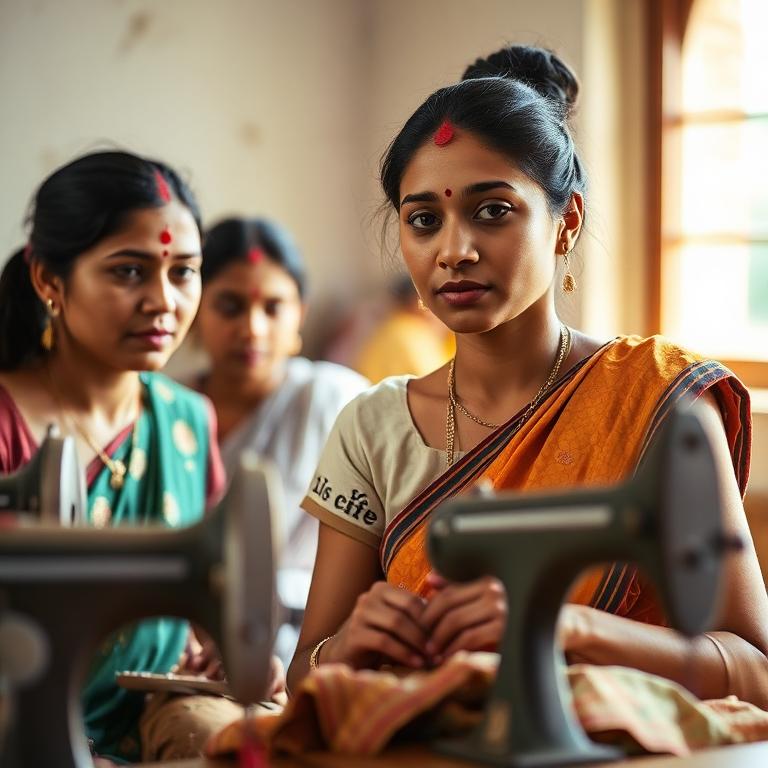
Accessibility is treated as an engineering problem, not a favour. Our production units have ramps, seated workstations, adjustable table heights, machines fitted with hand-operated or knee-operated controls, accessible toilets and good lighting for women with partial vision. Instructions exist in written, spoken, demonstrated and sign-language form. When a woman cannot do a task the standard way, we redesign the task.