Why menstrual health is an equality issue
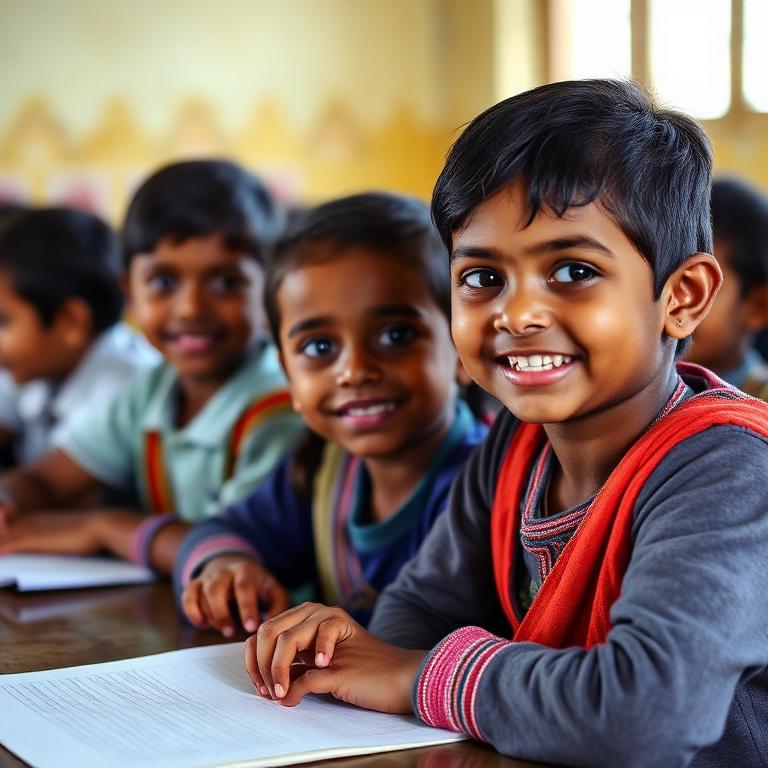
In the low-income neighbourhoods and peri-urban settlements where we work, an adolescent girl's first period is often the moment her world becomes smaller. She is told not to enter the kitchen, not to touch the pickle jar, not to visit the temple, and above all not to speak about it. In practical terms, that silence has a price: girls miss between four and six days of school every month, fall behind in classwork they never get the chance to make up, and eventually drop out with the vague explanation that they were 'not interested in studies'. The real reason is far more mundane — no clean toilet, no water, no pad, and nobody they can ask.
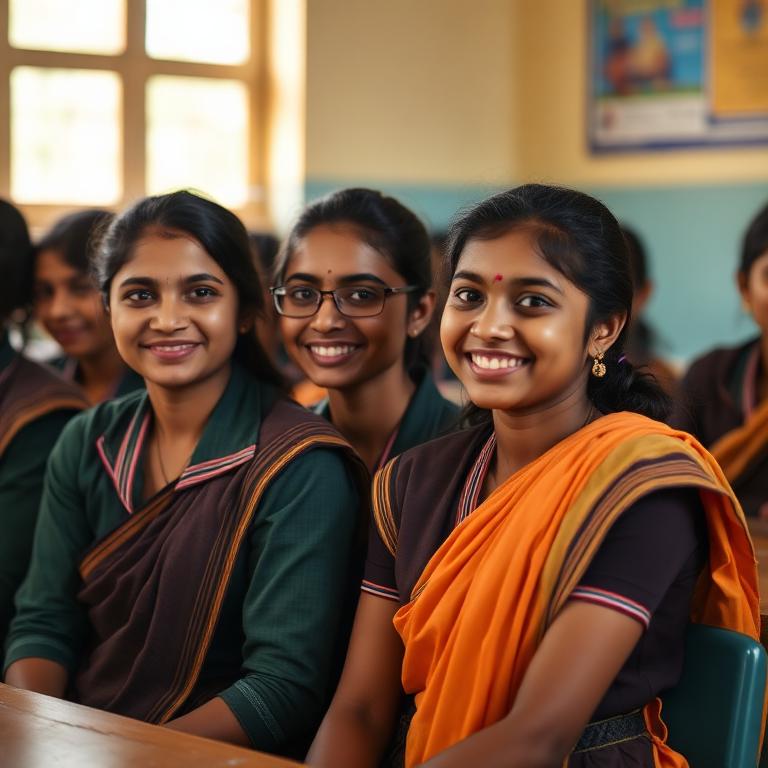
Menstrual health is therefore not a narrow hygiene topic. It sits at the intersection of education, health, sanitation and gender equality. When a girl can manage her period with confidence, she stays in school longer, marries later, earns more, and makes better-informed choices about her own body. When she cannot, every other intervention we make in her life becomes harder to sustain. That is why this initiative has been part of REIN India's work from the earliest days of the trust, and why we treat it as foundational rather than peripheral.
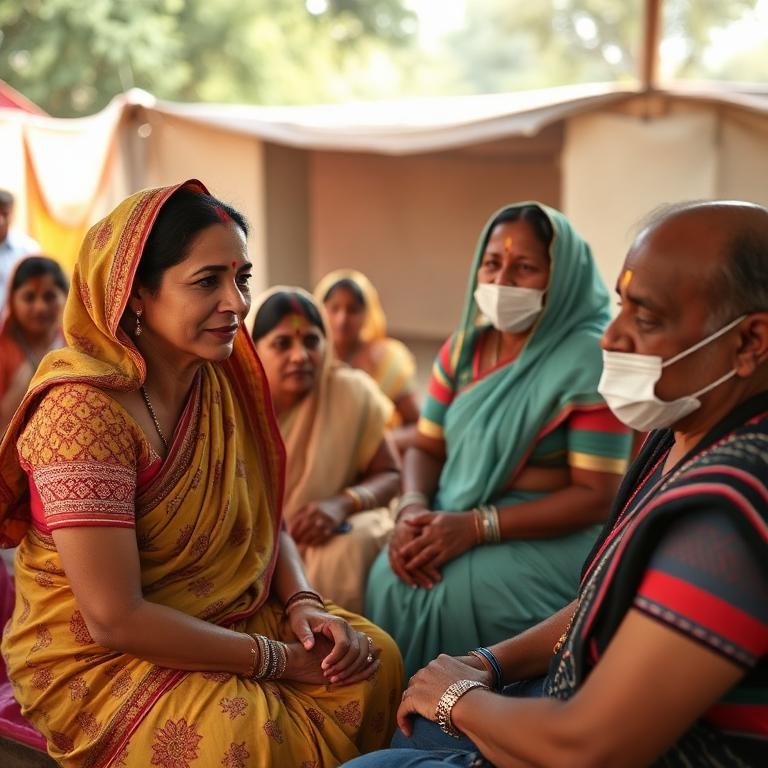
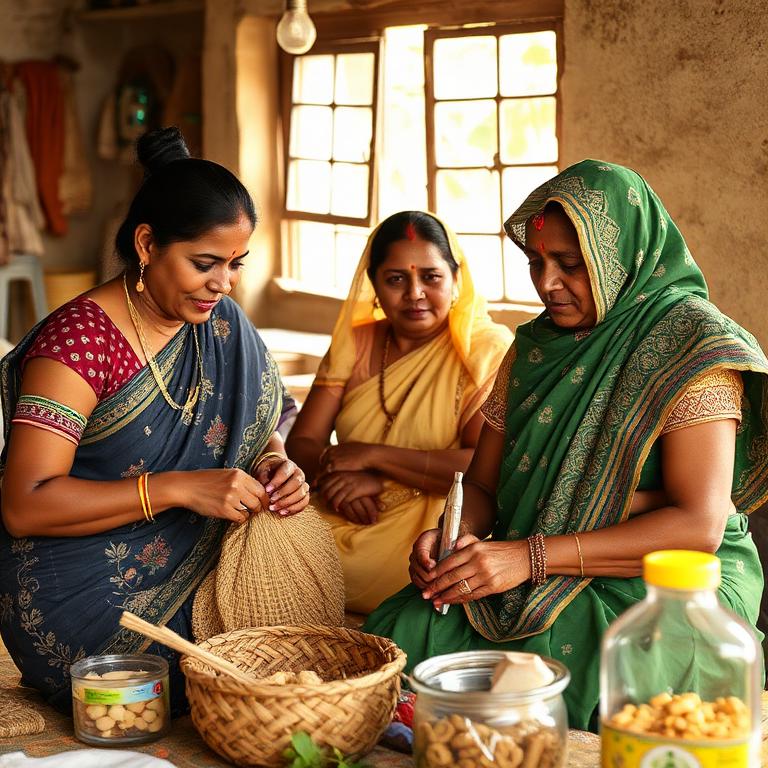
We also recognise that period poverty is not only about affordability. Many families can afford a packet of pads but will not buy one because it is culturally awkward to ask for it at a shop counter, or because the household budget is controlled by someone who does not consider it essential. Our approach therefore tackles cost, access and stigma together — because addressing only one of the three simply moves the barrier rather than removing it.