Our Programs

Relief & Welfare Programs

Emergency aid & calamity support.

When disasters strike, REIN India mobilizes rapid relief — food, shelter, hygiene kits, and long-term rehabilitation for families displaced by floods, cyclones and other emergencies.

Relief & Welfare Programs
18
Relief Missions
22,000+
Families Aided
6
States Covered
Our Objectives

What we set out to do

Clear, measurable goals guide every rupee and every volunteer hour.

  • Deploy rapid-response teams within 48 hours of a disaster
  • Distribute food, water, hygiene and dignity kits
  • Support temporary shelters and medical aid
  • Rebuild livelihoods and homes over 6–12 months
What We Do

Key Activities

Rapid Response

Emergency food, water and shelter distribution.

Hygiene Kits

Sanitation, menstrual and baby-care essentials.

Medical Aid

Field clinics and mobile pharmacies.

Livelihood Rebuild

Tools, seeds and cash grants for recovery.

In Depth

Understanding Relief & Welfare Programs

When floods, cyclones, fires or displacement hit the communities we serve, REIN India Foundation Trust moves from long-term development to emergency response. Our Relief and Welfare Programme delivers essentials within days, restores dignity within weeks, and stays for the rebuilding months after most attention has moved on.

Why local networks beat fast convoys

In the first seventy-two hours of a disaster, the constraint is almost never generosity — it is information. Which lane is under water, which family has an infant, who has not been reached, where the road is passable. Organisations arriving from outside spend their first two days learning what a local volunteer already knows.

Because REIN India already works in these districts through health, education and livelihood programmes, our relief response starts from an existing map of households and a network of community volunteers who can verify need by name. That is why our teams can distribute credibly within forty-eight hours and avoid the duplication that plagues large uncoordinated relief efforts.

We coordinate deliberately with district administration, panchayats and other NGOs, sharing our beneficiary lists so that the same street is not served four times while the next one is missed. Relief is a logistics discipline before it is a compassion exercise.
What we deliver, and in what order

The first wave is survival: drinking water, cooked meals or dry ration kits, tarpaulins, blankets, torches and basic medicines. Ration kits are built around what families can actually cook with whatever fuel remains, and we adjust contents by region rather than shipping a standard box everywhere.

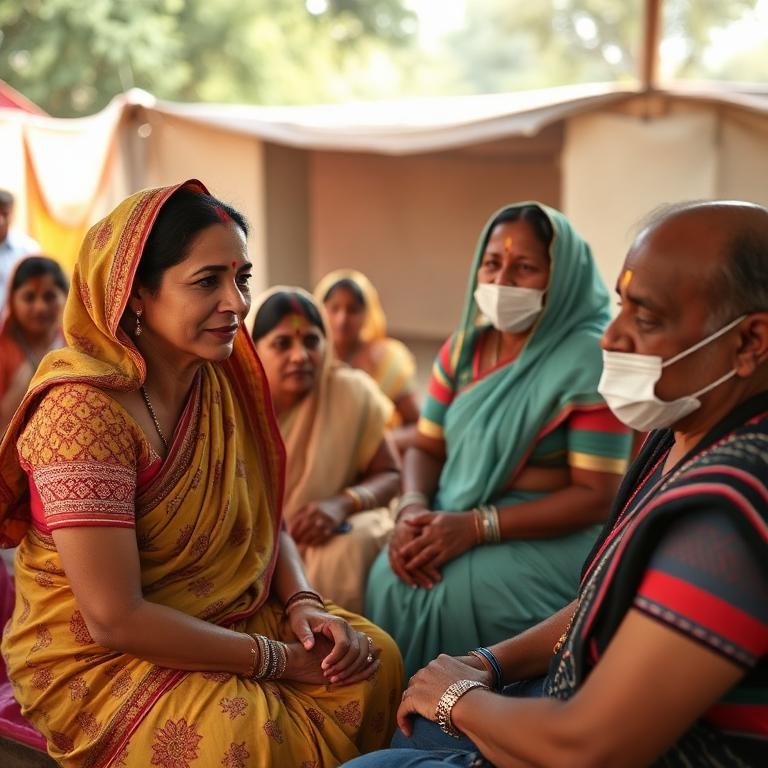
The second wave is dignity and health. Hygiene and dignity kits include soap, toothbrushes, sanitary pads, undergarments, buckets, mugs and detergent — items rarely donated and desperately needed, especially by women and adolescent girls in crowded shelters. Baby kits cover diapers, formula where necessary, and clothing. Our field medical teams run clinics at relief camps, treating injuries, fevers, skin and water-borne infections, and ensuring pregnant women and chronic patients do not go without their care.

The third wave is documents and paperwork, which sounds bureaucratic and is in fact critical. Families who lose identity documents, school certificates and land papers cannot access compensation, admission or credit. Our volunteers run document-recovery help desks to reconstruct these records, and this quiet work often determines whether a family recovers in months or years.

Alongside physical relief we deploy counsellors, because displacement, bereavement and the loss of everything a family owned leave marks that no ration kit addresses. Child-friendly spaces at camps give children routine, play and supervision while adults deal with officials and insurance.

Rehabilitation: the six to twelve months nobody films

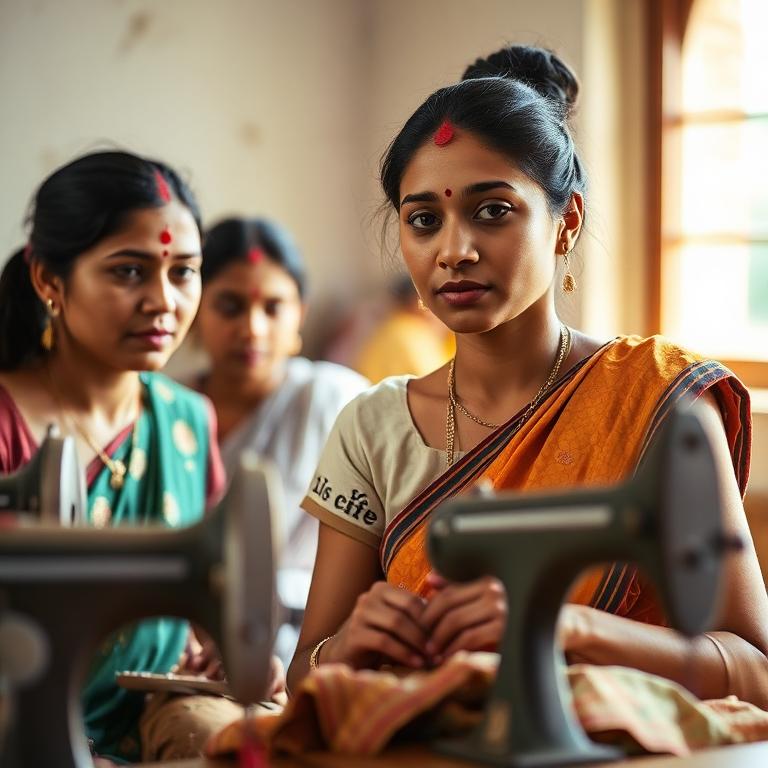
Media attention lasts about a fortnight. Recovery takes a year. Our rehabilitation phase focuses on restoring the ability to earn: replacing tools, sewing machines, carts, nets and small equipment; providing seeds and inputs for the next season; small cash grants for petty traders to restock; and helping livestock owners rebuild.

We support house repairs with materials and labour cost sharing, prioritising women-headed households, families with disabled members and the elderly living alone. We also help families claim government compensation, insurance and scheme benefits they are entitled to but rarely receive without assistance.

Getting children back into classrooms quickly is a priority, since every additional month out of school raises the risk of permanent dropout — particularly for adolescent girls, who are often the first to be pulled into household labour after a disaster. We replace uniforms, books and bags, and coordinate with schools on re-admission.

Accountability in a chaotic environment

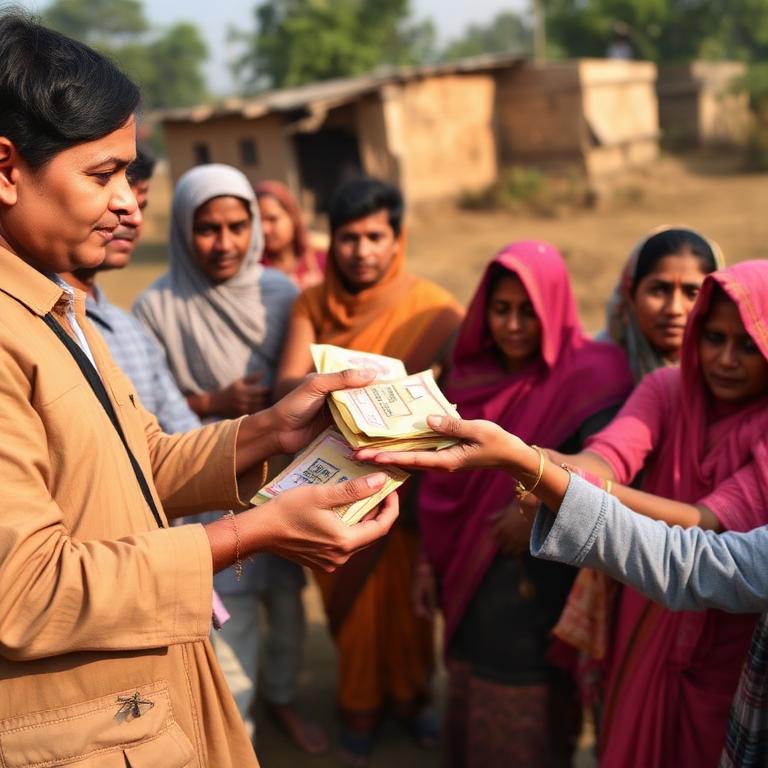
Every distribution is recorded with the beneficiary's name, household size and location, and every kit is photographed at the point of handover. Procurement is done locally wherever possible, which is faster, cheaper and supports the recovering local economy. Donors receive a utilisation statement showing what was bought, at what price, and where it went.

We say no to unsuitable in-kind donations — used clothing that nobody will wear, expired food, items requiring cold storage — because sorting them consumes volunteer hours that should be spent distributing. Cash contributions let us buy exactly what is needed near where it is needed, and are always the most useful form of help in an emergency.

Winding down deliberately is part of the discipline. We publish an end-of-mission note for each response summarising what was delivered, what went wrong, and what we would do differently, and we fold surviving relationships back into our regular programmes so that the community is not abandoned once the emergency label is removed.

Stand ready with us

A ration kit for a family of four for two weeks costs approximately ₹1,600; a hygiene and dignity kit about ₹600; a livelihood restart grant for a small trader around ₹8,000. Contributions to our standing emergency corpus are especially valuable because they let us deploy on day one rather than after a fundraising cycle.

Volunteers are needed for packing, loading, distribution, camp coordination, data entry, document help desks and medical support. Corporate partners can help with transport and warehousing, bulk procurement, employee volunteering and matched giving. If you want to be on our rapid-response call list, register through the volunteer page and tell us your district and skills.

How this connects to our other work

No family's needs arrive one at a time — Relief & Welfare Programs works alongside these programmes.

Frequently asked questions

How quickly do you respond to a disaster?

Our teams typically begin distribution within forty-eight hours, using existing local volunteer networks in districts where we already run programmes.

Should I donate goods or money?

Money is far more useful in an emergency. It lets us procure exactly what is needed close to the affected area, faster and at lower cost.

How long do you stay after the emergency?

Relief lasts days to weeks, but rehabilitation — livelihood restart, house repairs, school re-admission and document recovery — continues for six to twelve months.

Where We Work

Locations

KarnatakaKeralaTamil NaduOdisha

Power this program forward

Your contribution directly fuels relief & welfare programs. Every rupee is transparent, tracked, and reported.