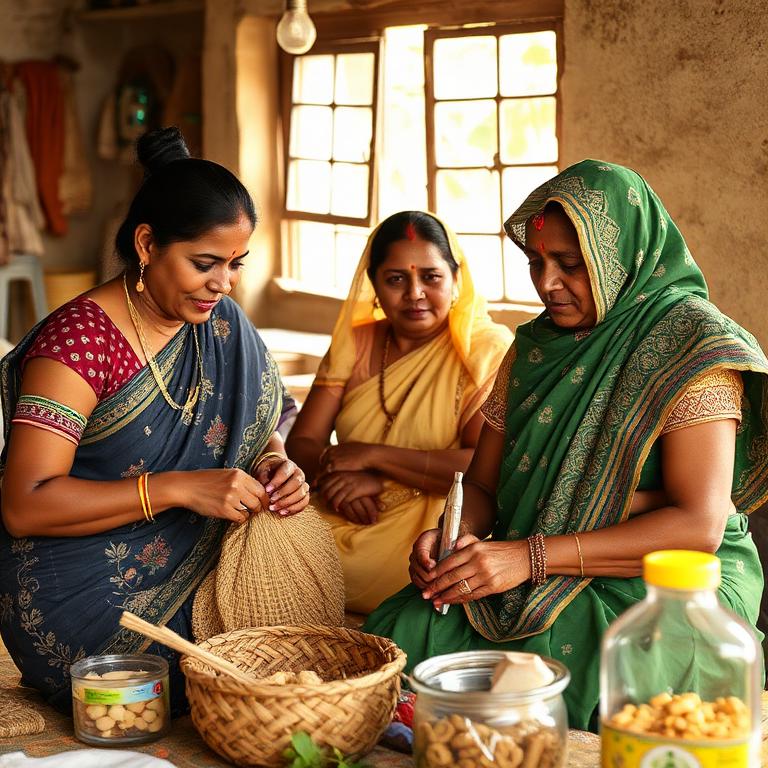
A skills programme designed around real constraints
Most vocational courses assume a trainee with free time, transport money and family support. The women who come to us usually have none of those. They have children to feed at noon, a husband or in-laws who need convincing, an unpredictable daily wage to replace, and a bus fare that eats a tenth of the household budget. If a programme ignores those constraints, it produces high enrolment and high dropout.
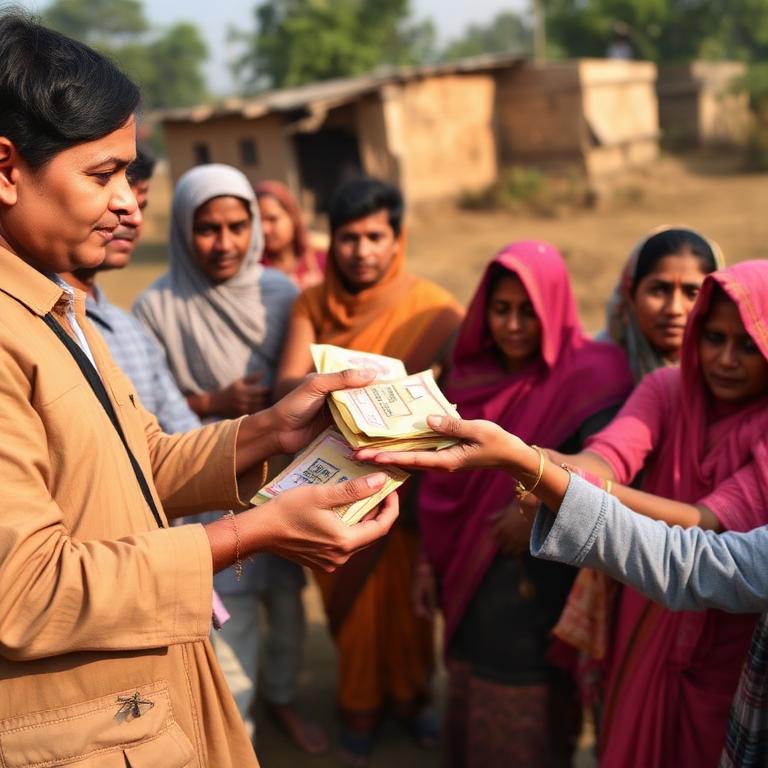
So we designed backwards from the constraints. Batches run in short daily blocks close to where women live. We provide a modest stipend and travel support, and we run a supervised crèche so mothers can concentrate. Courses are modular, allowing a woman who misses two weeks for a family illness to rejoin without starting over. Where necessary, our field team visits the household to explain the programme to whoever holds the decision-making power.
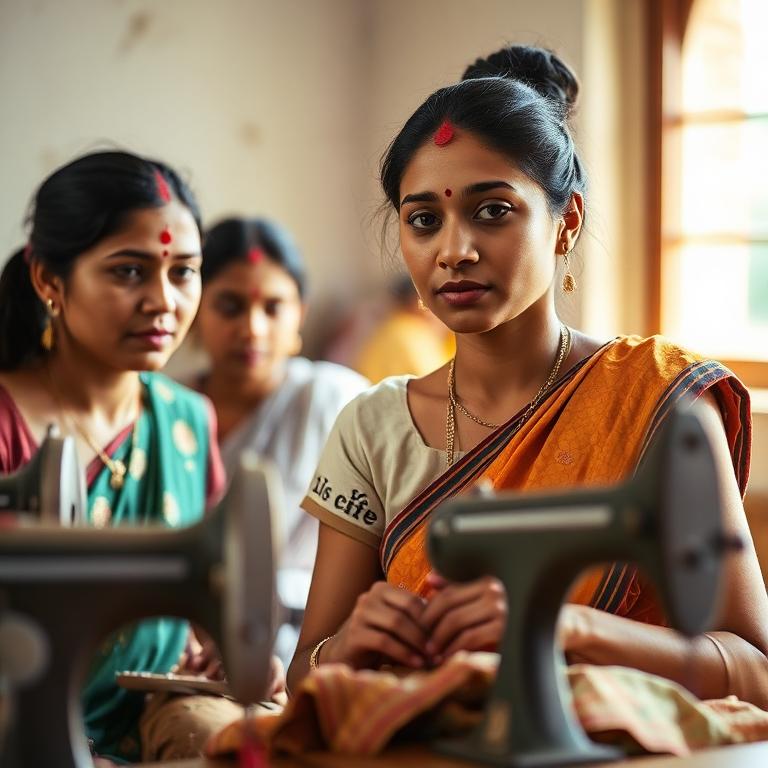
We also select courses by demand, not tradition. Before opening a new batch we survey local employers, small businesses and markets to confirm that the skill actually sells in that neighbourhood. A tailoring batch in an area already saturated with tailors helps nobody, however popular the course sounds.