Our Programs

Education Programs

Brighter futures for children.

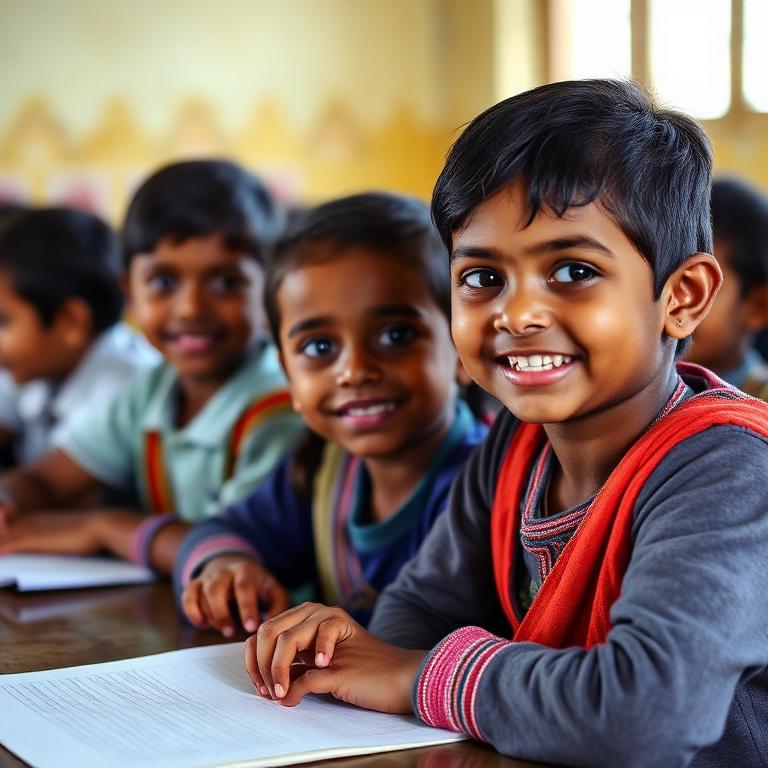
We support underprivileged children with scholarships, after-school learning centers, and digital classrooms — ensuring every child has the chance to learn, grow and dream big.

Education Programs
800+
Children Sponsored
24
Learning Centers
92%
Retention Rate
Our Objectives

What we set out to do

Clear, measurable goals guide every rupee and every volunteer hour.

  • Sponsor school fees, uniforms and books for 800+ children
  • Run after-school learning centers in low-income neighborhoods
  • Bridge the digital divide with tablets and online mentoring
  • Support first-generation college aspirants
What We Do

Key Activities

Scholarships

Full or partial funding for school and college education.

Learning Centers

Homework help, English and STEM foundations.

Digital Classrooms

Tablets, internet and self-paced learning apps.

Career Guidance

Mentorship, exam prep and college counseling.

In Depth

Understanding Education Programs

REIN India Foundation Trust's Education Programme supports children whose schooling is at risk not because of ability but because of money, home circumstances or the absence of anyone at home who can help with homework. We fund, teach, mentor and follow each child year after year, because education is the one intervention whose returns compound for a lifetime.

Where children actually fall out of the system

Very few children in India are never enrolled in school. Far more are enrolled and then slowly lost. The pattern is familiar: a parent's illness or job loss makes fees and uniforms impossible; a child who cannot read fluently by class four falls further behind each year; a family migrates for work mid-term; an older girl is kept home to mind siblings. By class eight the child is two grade levels behind, discouraged, and one small shock away from leaving.

This is why our programme is built around continuity rather than one-time generosity. A single year's fees is a kind gesture. A commitment that follows a child from class three to class twelve, notices when attendance dips, and intervenes before the dropout happens, is what actually changes an outcome.

We work primarily with first-generation learners — children whose parents did not complete school and therefore cannot help with homework, cannot interpret a report card, and often cannot advocate for their child with a teacher. Filling that support gap is as important as filling the financial one.

Scholarships and direct educational support

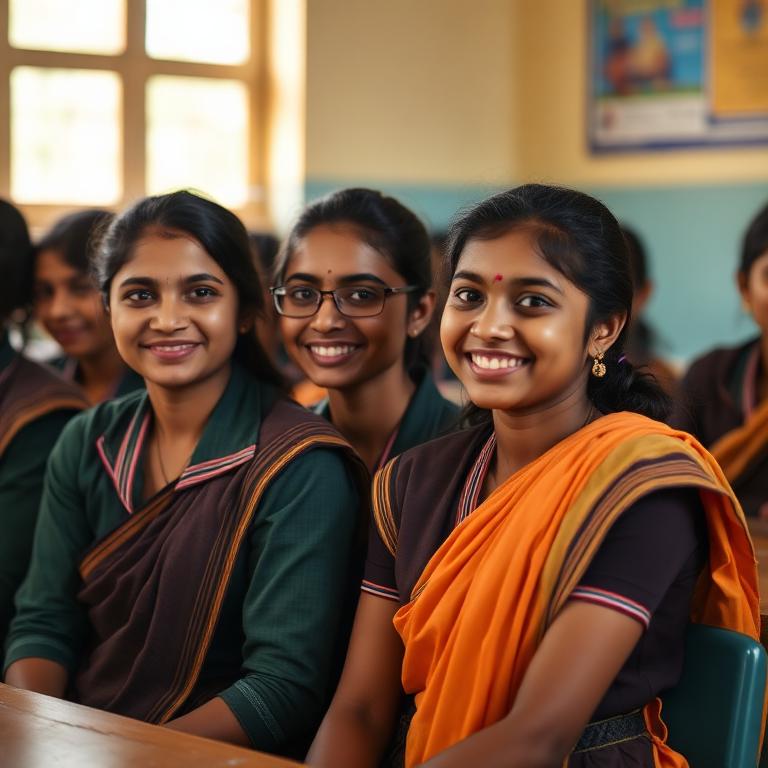
Our scholarship support covers school and college fees, uniforms, shoes, textbooks, notebooks, stationery, examination fees and, where distance is a barrier, transport. Payments are made directly to institutions wherever possible, and every sponsorship is documented with enrolment proof, fee receipts and termly progress reports.

Selection is based on household need and the child's continued engagement rather than marks alone, because a bright child with a supportive home is far less likely to drop out than a struggling child without one. We deliberately reserve a substantial share of places for girls, and for children with disabilities who need additional learning support.

For first-generation college aspirants we go further: helping with entrance forms, government scholarship applications, hostel arrangements and course selection. Choosing the wrong course is a common and expensive mistake for a family with no graduate to advise them, and an hour of good counselling can save three wasted years.

Learning centres and the digital divide

Our after-school learning centres run in community halls and rented rooms inside the neighbourhoods children live in. Each centre offers two to three hours of daily support: homework help, foundational reading and arithmetic remediation, English conversation, and hands-on science and maths activities that make abstract concepts tangible. Group sizes are kept small and children are grouped by actual learning level rather than by the class they are enrolled in — a distinction that matters enormously for a child who is in class six but reading at class three level.

Centres are also safe spaces. They have electric light, a table, drinking water, a toilet and an adult who knows the child's name. For a child studying in a single room shared with six people, that alone raises the chance of finishing homework.

Our digital classroom component provides shared tablets and laptops, supervised internet access, and self-paced learning apps in local languages. Volunteer mentors take online sessions in subjects our centres cannot staff locally, which lets a child in a peri-urban settlement get help with algebra from an engineer in another city. We also teach digital safety and basic computer skills, since these are now employment prerequisites rather than enrichment.

Working with parents, schools and mentors

We hold regular parent meetings to explain report cards in plain language, discuss attendance, and address the pressures that push children out of school. Where a family faces an acute crisis, we look for a bridge — a temporary fee waiver, a link to another REIN India programme, or a livelihood referral for the mother — because a child's education rarely fails in isolation from the household's finances.

With schools, our centre coordinators maintain direct contact with class teachers, which allows early warning when a child stops attending. Career guidance sessions from class eight onwards expose children to options beyond the three or four professions they have heard of, using volunteer professionals who talk about their own actual work.

Mentorship is the thread that ties it together. Each older child is paired with a volunteer mentor for regular conversations about school, plans and setbacks. Children who complete school from these communities almost always name a specific adult who kept believing they could — and our job is to make sure that adult exists.

Support a child's education

Sponsoring one child's full school year — fees, uniform, books and learning centre access — costs approximately ₹9,000, with college support varying by course. Funding a learning centre for a year, a set of tablets, or a library of age-appropriate books are options that benefit dozens of children at once.

Volunteers teach at learning centres, run online mentoring sessions, take career talks, help with college applications, or contribute skills in reading instruction, mathematics, English or coding. Consistency matters more than expertise: an hour every week for a year does more for a child than a workshop once.

How this connects to our other work

No family's needs arrive one at a time — Education Programs works alongside these programmes.

Frequently asked questions

How are sponsored children selected?

Through household need assessments conducted with schools and community volunteers, with priority for girls, children with disabilities and families facing an income shock.

Will I receive updates about the child I sponsor?

Yes. Sponsors receive termly progress reports and photographs, subject to child protection and privacy safeguards.

Do you support college and vocational education too?

Yes. We support first-generation college students with fees, applications, scholarship guidance and career counselling.

Where We Work

Locations

BangaloreChennai

Power this program forward

Your contribution directly fuels education programs. Every rupee is transparent, tracked, and reported.